
Cataracts
What are Cataracts?
Cataracts occur when the eye’s clear lens becomes cloudy, blurring and dulling vision. This affects daily activities like reading, driving, and recognising faces. The condition develops slowly and may go unnoticed in its early stages, but over time, it can severely obstruct vision and often requires surgical treatment to restore clarity.
Symptoms of Cataracts:
In the early stages, cataracts often cause no noticeable symptoms. The first signs may include a cloudy or foggy appearance in vision, similar to looking through dirty glasses. Bright sunlight or artificial light can seem harsh or glaring, and night vision typically worsens. Many people with cataracts find it difficult to drive or be comfortable in low-light conditions.
Some examples may include:
Blurred or clouded vision
Less bright vision
Decreased vision at night
Sensitivity to light
Needing brighter lights to read and perform other tasks
“Halos” around your eyes
Frequent variations in eyesight
Fading of colours
Double vision
Difficulty seeing details from a distance or while reading
Causes of Cataracts:
Cataracts develop when the eye’s clear lens loses its transparency. The lens is made of water and proteins, and with age, these proteins break down and turn yellow, clouding vision.
While most cataracts are age-related, they can occur at any age. Some babies are born with congenital cataracts, while in younger individuals, they may result from diabetes, certain medications, or other eye conditions.
Some other examples may also include:
Eye injuries or related surgery
Excessive exposure to UV sources, including excessive sunlight
Exposure to dangerous substances or radiation
Certain diseases, lifestyle choices and medications such as:
Chronic diseases (including diabetes, obesity, etc.)
Steroids
Smoking
Stress and hypertension
Genetic inheritance
High myopia
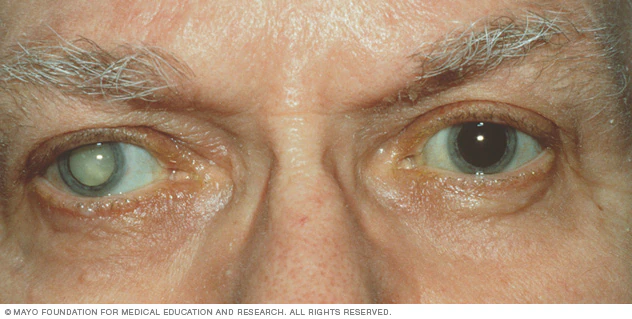
Types of Cataracts:
Age-related (Nuclear Cataract): Develops with age; may briefly improve vision before worsening as the cataract progresses.
Congenital Cataract: Present at birth due to improper eye development in the womb.
Subcapsular (Secondary) Cataract: Caused by medical conditions, UV exposure, radiation, or medications—especially those for chronic diseases like diabetes.
Traumatic Cataract: Results from an eye injury; protective eyewear is essential when exposed to UV light or power tools.
Bilateral Cataract: Occurs in both eyes simultaneously.
Other Types: Include cortical and diabetic cataracts, which affect different parts of the lens or develop due to diabetes.