
Conjunctivitis
What is Conjunctivitis?
Conjunctivitis is an inflammation of the conjunctiva, which is a thin layer that covers the white part of the eye. When this layer gets infected, it results in one or both eyes getting irritated, which results in pinkness; hence the common name, pink eye.
How can Conjunctivitis be prevented?
Conjunctivitis can be easily spread through contact with infected items, such as pillowcases, tissues, towels and flannels, as well as through water droplets from coughing or sneezing. Because it is contagious, thorough and frequent hand washing is essential if you want to avoid passing on the condition. You should also dispose of tissues after use and avoid sharing flannels and towels. Parents who have conjunctivitis can easily pass it to their toddlers and children if a preventative distance is not followed.
Causes of Conjunctivitis:
Allergic conjunctivitis: Triggered by allergens like pollen, dust, or air irritants. Causes swelling and irritation of the conjunctiva in people with seasonal allergies.
Giant papillary conjunctivitis: Caused by prolonged contact lens wear, poor lens hygiene, or bacterial build-up on lenses. Leads to irritation and inflammation from constant contact with a foreign material.
Bacterial conjunctivitis: Caused by Staphylococcus or Streptococcus bacteria, often spread through poor hygiene, contaminated makeup, or direct contact. Results in redness and sticky yellow discharge.
Viral conjunctivitis: Linked to viral infections like colds or flu. Causes watery, red eyes that may last 2–3 weeks, sometimes with mild blurring or glare but rarely affecting vision permanently.
Symptoms of Conjunctivitis:
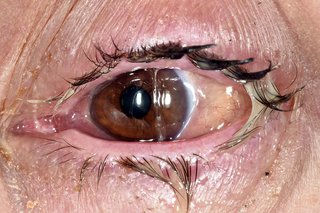
Conjunctivitis symptoms vary depending on the cause but commonly include pink or bloodshot eyes, itching, and puffiness. Other signs may include excessive tearing, thick mucus discharge, burning sensations, swollen lymph nodes, light sensitivity, mildly blurred vision, and occasionally symptoms of a cold or upper respiratory infection.
Types of Conjunctivitis:
Bacterial strains: With bacterial conjunctivitis, either one eye or both eyes are affected. When this type is present, your eye may secrete an excessive amount of pus and mucus as a defence mechanism against additional bacteria entering the eye's surface.
Viral strains: The most common type of conjunctivitis is the viral kind, and it is also the most contagious. With viral conjunctivitis, the virus enters one eye at first and then moves to the other in a few days. A lot of tears are discharged in this type of viral infection, and the lymph nodes in your jaw and ear may also swell and become infected.
Ophthalmia neonatorum: This type is prevalent in newborns and is caused by dangerous bacteria to which they are exposed right after delivery.
Treatment of Conjunctivitis:
Conjunctivitis symptoms often resolve on their own within a few weeks, so treatment isn’t always required. If the infection is viral rather than bacterial, antibiotic drops won’t help. Antibiotics are only effective for bacterial conjunctivitis and are typically prescribed for one to two weeks. Viral conjunctivitis is treated with artificial tears, pain relievers, cold compresses, and regular eyelid cleaning. Like a cold or flu, it clears up naturally once your body fights off the virus. In more severe viral cases or if the cornea is affected, steroid drops may be prescribed. Regardless of the cause, contact lenses should not be worn while you have conjunctivitis.