
Blurred Vision
What is Blurred Vision?
Blurred vision occurs when you struggle to see the fine details of what you’re looking at, regardless of distance. Your eyes can’t process light signals as sharply, making it difficult for you to focus and see things clearly. Instead, objects appear hazy and blurred.
What causes Blurred Vision?
There are lots of potential causes of blurred vision, like existing eye conditions or other medical conditions. Blurred vision can also be due to side effects of certain medications. It’s possible to experience blurred vision in just one or both of your eyes.
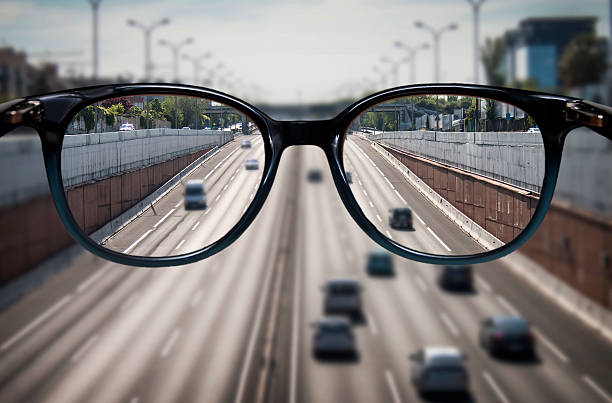
Treatment for Blurred Vision:
Blurred vision can be treated in several ways, depending on its cause and severity. Vision issues from conditions like hypermetropia, presbyopia, astigmatism, or myopia can often be corrected with glasses or contact lenses.
For blurred vision caused by conditions such as cataracts or diabetic retinopathy, an optometrist may recommend alternative treatments, including surgery.
Other methods to manage or reduce blurred vision include:
Using medicated or antibacterial eye drops
Laser procedures like LASIK
Taking medications to control symptoms
Getting adequate sleep
Avoiding reading small text in dim lighting
Staying hydrated to support eye lubrication
Can Blurred Vision be prevented?
Completely preventing blurred vision is challenging, as some causes—like ageing—are unavoidable. However, it can be managed and its onset reduced through certain practices:
Have regular eye examinations, at least every two years.
Wash your hands before inserting contact lenses.
Wear sunglasses to protect your eyes from UV rays.
Maintain a diet rich in eye-healthy nutrients, including antioxidants from leafy vegetables, vitamins A and C, and healthy fats from nuts and seeds.