
Dry Eyes
What are Dry Eyes? Why do we get Dry Eyes?
Tears keep the eyes lubricated, clean, and protected. When tear production or quality is poor, or tears evaporate too quickly, it can cause dry, itchy, or irritated eyes. Though usually harmless, dry eyes can lead to discomfort, burning, and sensitivity. If symptoms persist or infection is suspected, an optometrist should be consulted for proper treatment.
What are the symptoms of Dry Eyes?
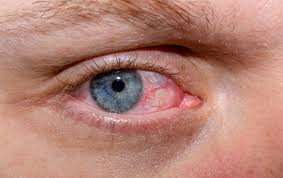
Dry eyes can lead to a range of uncomfortable symptoms that affect daily life. Common signs include a burning, gritty, sore, or itchy sensation in the eyes, along with redness and watering. Vision may become briefly or intermittently blurred, and bright light can cause discomfort or sensitivity. People who wear contact lenses often notice their lenses feel less comfortable or dry out more quickly. In some cases, light sensitivity and short-term blurred vision can also occur, especially after extended screen use or exposure to dry air.
What causes Dry Eyes?
Dry eyes can be caused by several factors:
Reduced blink rates associated with visual tasks, e.g. computer use
Side effects from taking certain medications, such as antihistamines or beta blockers
Pre-existing medical conditions, including rheumatoid arthritis or Sjögren’s syndrome
Pre-existing eye conditions, such as blepharitis or eyelid conditions
Hormonal changes, typically associated with being female, middle-aged age or pregnant
Problems with drainage via the tear ducts
Several lifestyle conditions that cause dry eyes:
Hot or windy climates
Contact lens wear
Smoking
Air-conditioning units
Inadequate production of tears
How are Dry Eyes diagnosed?
Optometrists can perform specialised tests to diagnose and monitor dry eyes, and if needed, they may refer you to an ophthalmologist for further evaluation. It’s recommended to have an eye examination at least every two years, even if you don’t have noticeable symptoms or existing eye issues.
During an eye examination for dry eyes, you can expect:
Diagnostic drops such as Fluorescein and Lissamine Green to highlight areas of dryness or damage.
A detailed history and symptom assessment to identify possible causes, including environmental and systemic factors.
A slit-lamp examination of the external eye, eyelids, and conjunctiva, using different magnifications and lighting techniques to assess the eye’s surface health.
What types of Dry Eyes exist?
Dry eye (keratoconjunctivitis sicca) occurs when the eyes don’t blink or produce enough tears to stay properly lubricated. The lacrimal glands are responsible for tear production, and if they don’t function correctly, the eyes can become dry, irritated, and inflamed.
Several medical conditions can contribute to dry eyes, including:
Vitamin A deficiency – affects tear production and corneal health.
Lupus – an autoimmune disorder that can damage tear glands.
Diabetes- can impair nerve function and reduce tear secretion.
Rheumatoid arthritis – inflammation can extend to the tear glands.
Thyroid disorders – can cause eye surface changes and reduced blinking.